Add products from a product page to request a quote.
Thank you for your request
We have received your quote request
We will carefully review your requirements and contact you personally within 1 business day.
A response within 1 business day
Personal advice from a container specialist
A clear, no-obligation quote
Search
Sea containers
Buy shipping container
Widest range in NL, View different sizes and designs, always directly available from stock
Looking to buy a sea container for storage, transport or project-based use? Compare current 10ft, 20ft, 40ft and high cube sea containers by price, size, condition, specifications and delivery on location.
Practical comparison by size, condition, version, and delivery location
You don't just buy a sea container based on the lowest price. The right choice depends on the size, condition, door configuration, certification, delivery location, and how intensively you will use the container. On this collection page, you can compare current sea containers for storage, transport, construction sites, business premises, and project-based use.
Don't just choose by size. Price, condition, design, certification, transport, and unloading location together determine which shipping container is the best fit in practice.
What size shipping container do you need?
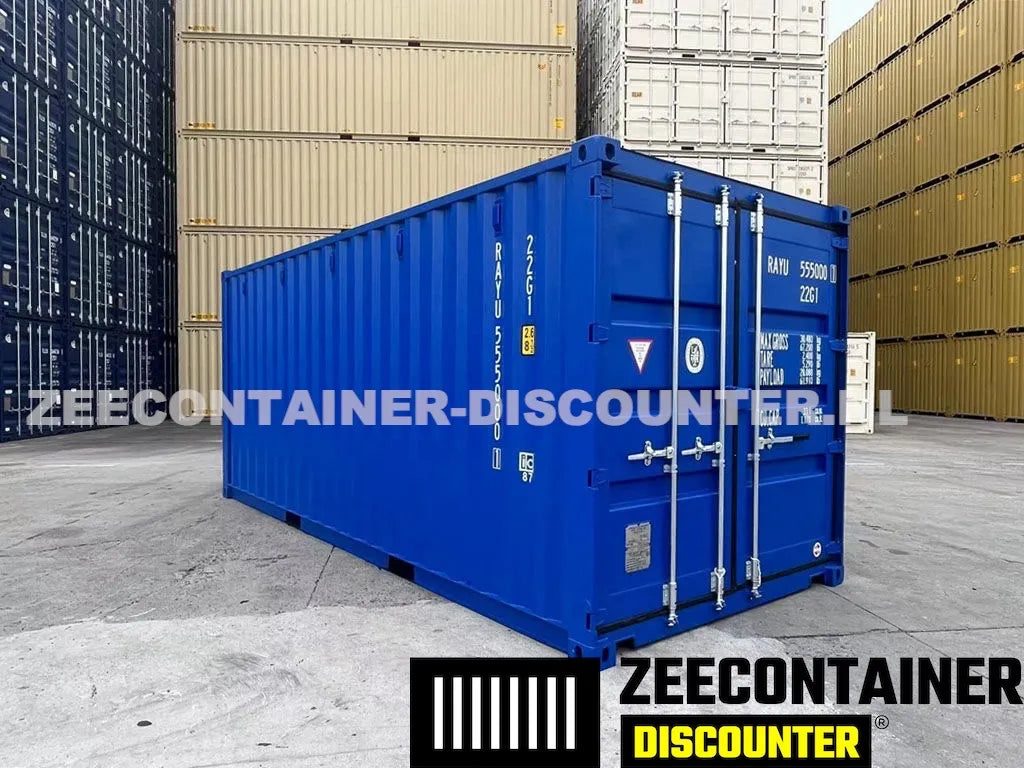
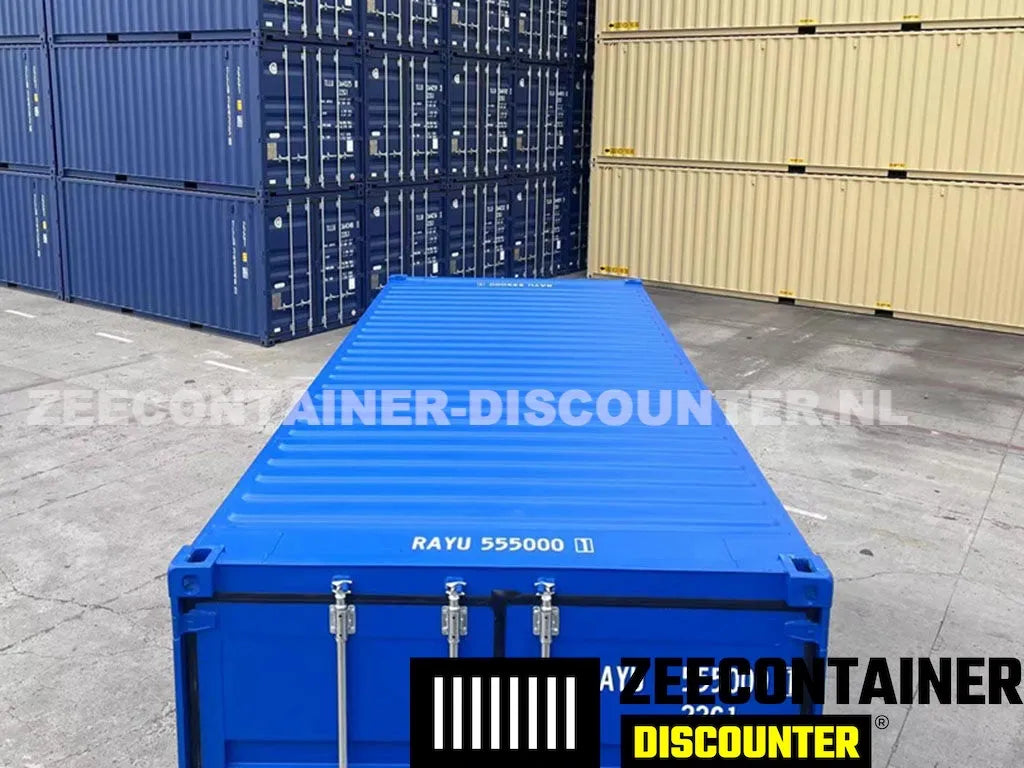
The correct size mainly depends on volume, available space, accessibility, and how you want to load the container. A 10ft shipping container fits well in more compact locations and is useful when you need limited storage space. A 20ft shipping container is often the best balance between capacity, placement, and price.
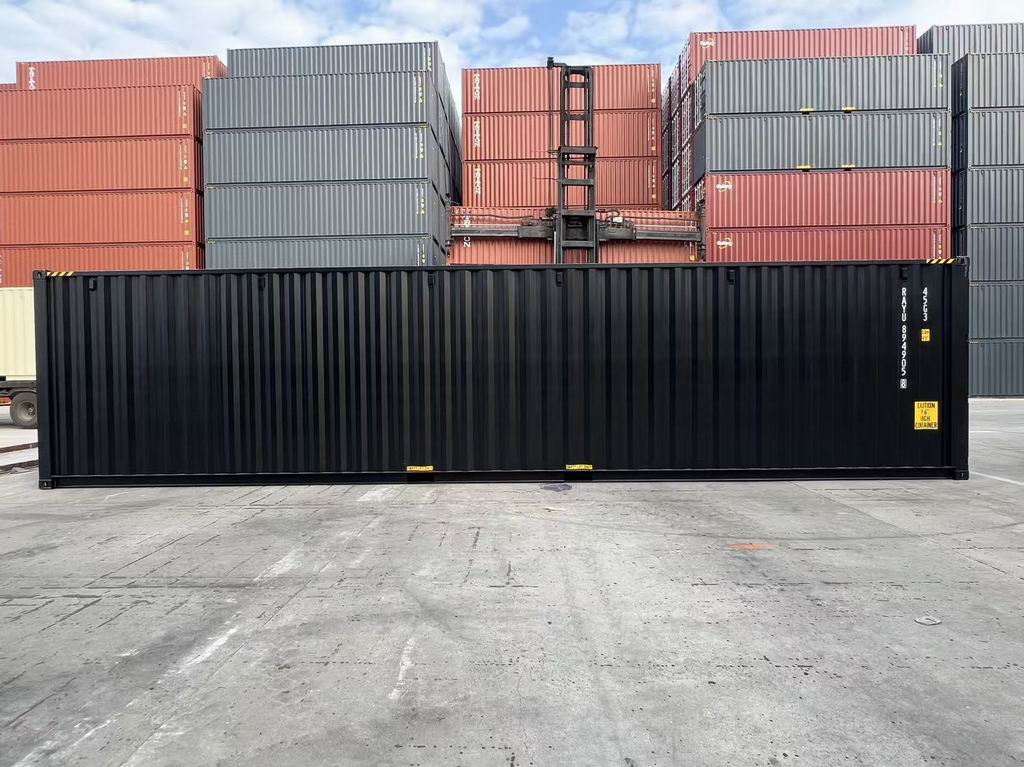
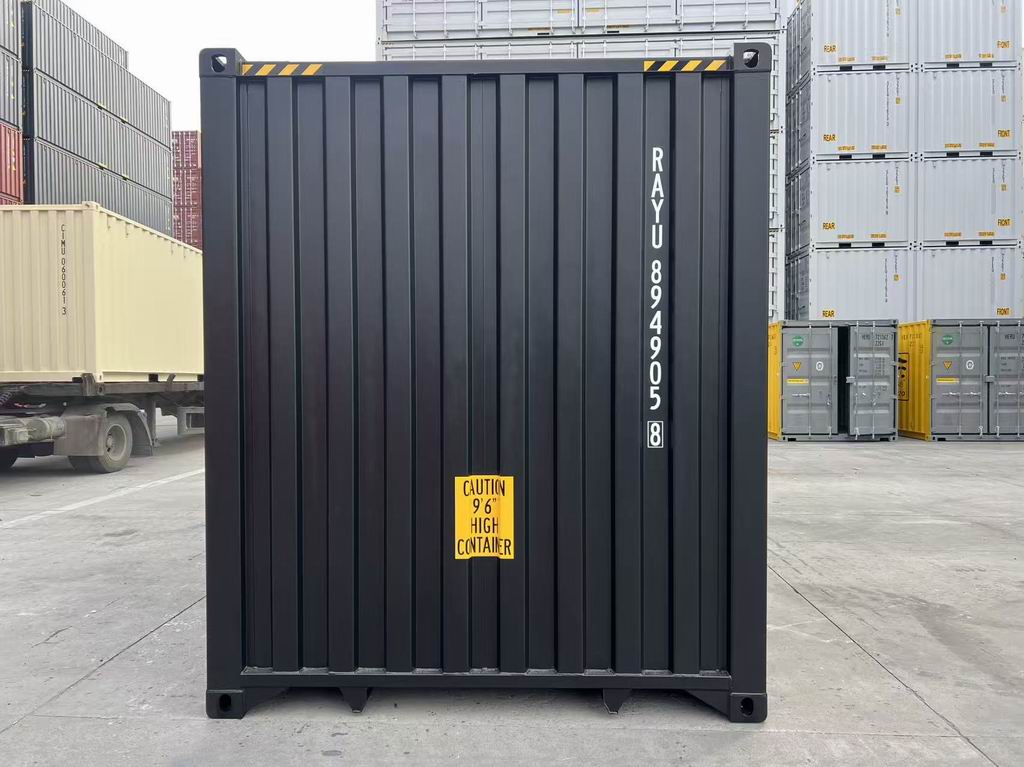
A standard dry van shipping container is suitable for many storage and transport applications. If you need extra internal height for taller goods, machinery, shelving or conversions, a high cube shipping container is often a smarter choice.
The difference is not only in height, but also in practical use on site and ease of loading. Therefore, also check out high cube vs. standard shipping container if you are in doubt between these versions.
New or used: choose based on budget, appearance and lifespan
Buying a new sea container is interesting when appearance, long lifespan, and a neat finish are important. This is well-suited for high-visibility locations, business parks, and long-term use.
Buying a used sea container is often more economical and particularly strong when functionality is more important than appearance. For storage, construction site use, and temporary project use, used is often a logical choice.
Delivery and installation to be considered in advance
A shipping container must not only fit on paper, but also at the unloading site. Consider driving space, ground surface, obstacles, turning space, and the direction in which the doors need to open. For 40ft and high cube containers, this preparation is extra important due to their length and height.
Sea containers are purchased for storage, transport, construction sites, agricultural locations, temporary projects, and business premises. For dry storage, wind and watertightness, floor condition, and good sealing are important. For transport-oriented use, technical condition, ISO/CSC specifications, and certification also play a role. For daily loading and unloading, accessibility, door type, and the container's placement are often decisive.
What versions are there besides standard and high cube?
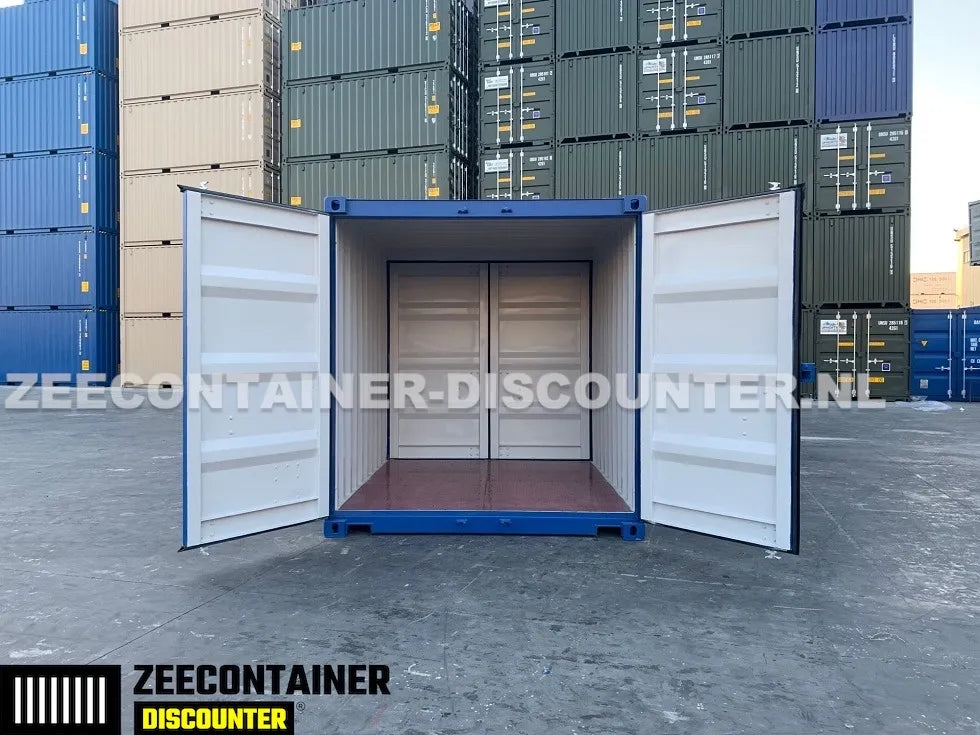
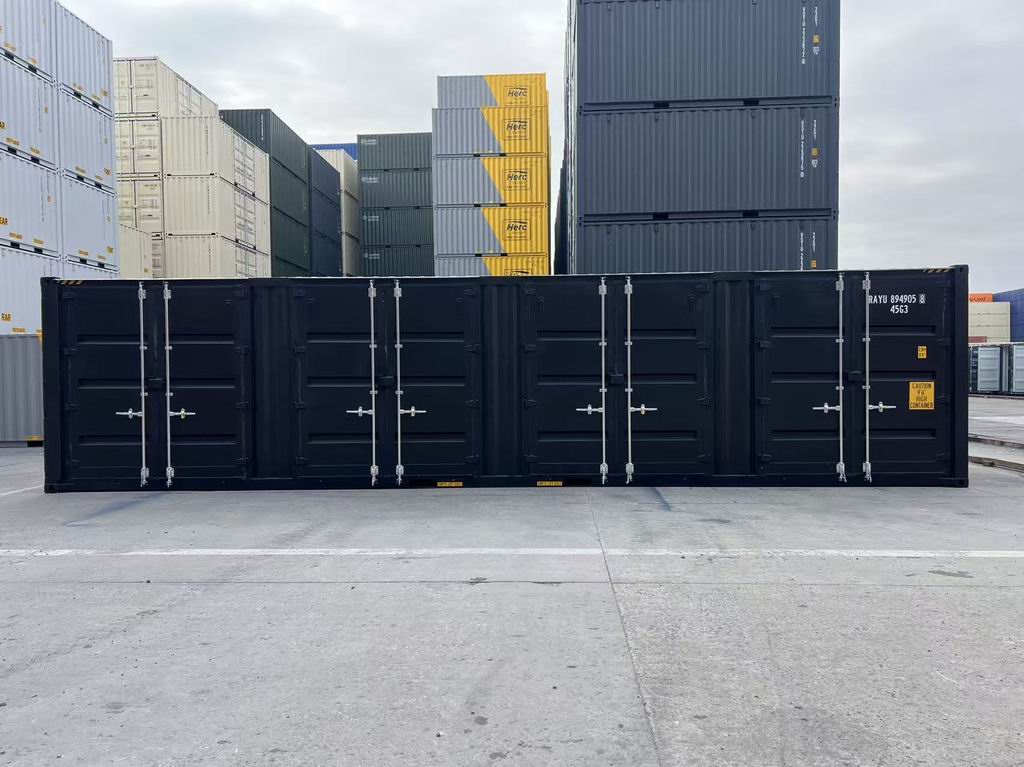
In addition to standard dry van and high cube, there are versions with extra doors, double doors, open-side access, or specific modifications. An open-side shipping container is useful if you need wide access from the side. For special projects, you can also look at special shipping containers or custom-built containers.
When is a sea container suitable for transport?
For transport, the technical condition is particularly important. Pay attention to the construction, doors, floor, and any CSC certification if the container will be used internationally. For storage only, transport suitability is less important, but wind and watertightness remain essential. If you are unsure about transport suitability, please mention your intended use in the quote request.
What customers say
Customers value our sea containers for clear communication, reliable quality, and practical on-site delivery. Read how businesses and individuals experienced their order, advice, and placement.
Frequently asked questions about buying sea containers
Practical answers for those looking to buy a shipping container and still comparing prices, sizes, condition, specifications, transport, and placement.
How much does a shipping container cost?
The price of a shipping container depends on size, design, condition, certification, and delivery. A 10ft container is usually cheaper than a 20ft or 40ft, while high cube, open side, and special designs are often more expensive than standard dry van. View the current offer on this page and include transport in your comparison using the shipping container transport rates. If you want a total price for your location, request a quote for a shipping container.
High cube is smarter when you need extra internal height, for example for taller goods, machinery, shelving or conversions. For normal storage, standard height is often sufficient and sometimes more cost-effective. If you are unsure between the two, check out high cube vs standard shipping container or directly compare high cube shipping containers for sale.
What is the difference between new and used?
A new shipping container has fewer signs of wear and is interesting when appearance, long service life and a neat finish are important. A used shipping container is usually more affordable and functionally strong for storage or project use. Compare buying new shipping containers and buying used shipping containers based on budget, visible location and expected service life.
How fast can you deliver?
Delivery time depends on stock, chosen model, location and transport planning. Containers that are available can often be delivered faster than special models or products that are yet to arrive. If you want to quickly know what is possible for your address and desired size, please contact us or request a quote for a shipping container with your delivery location.
Wat is het verschil tussen een zeecontainer en een opslagcontainer?
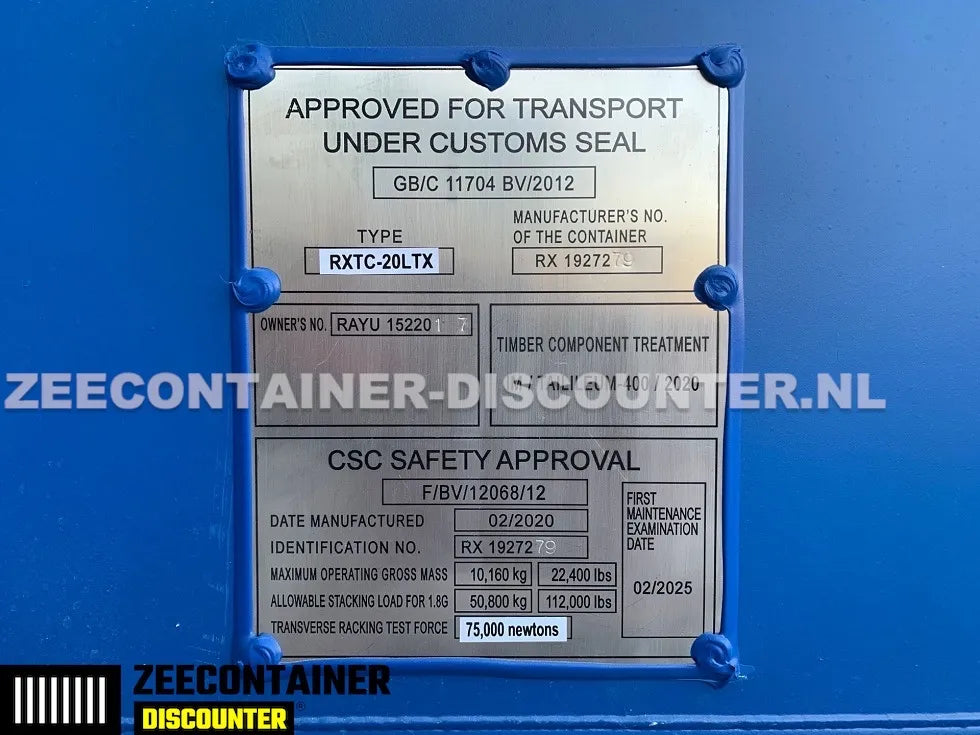
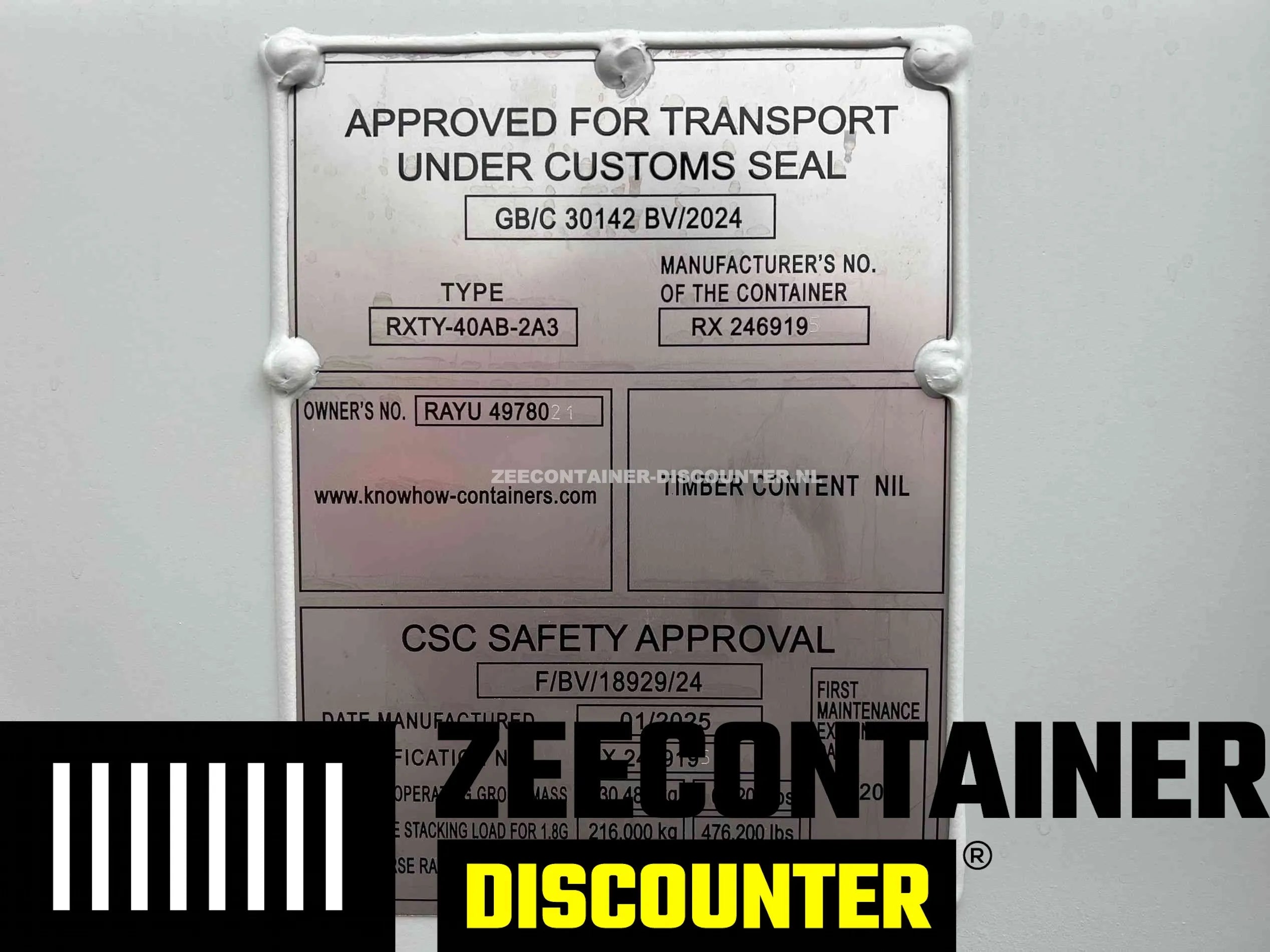
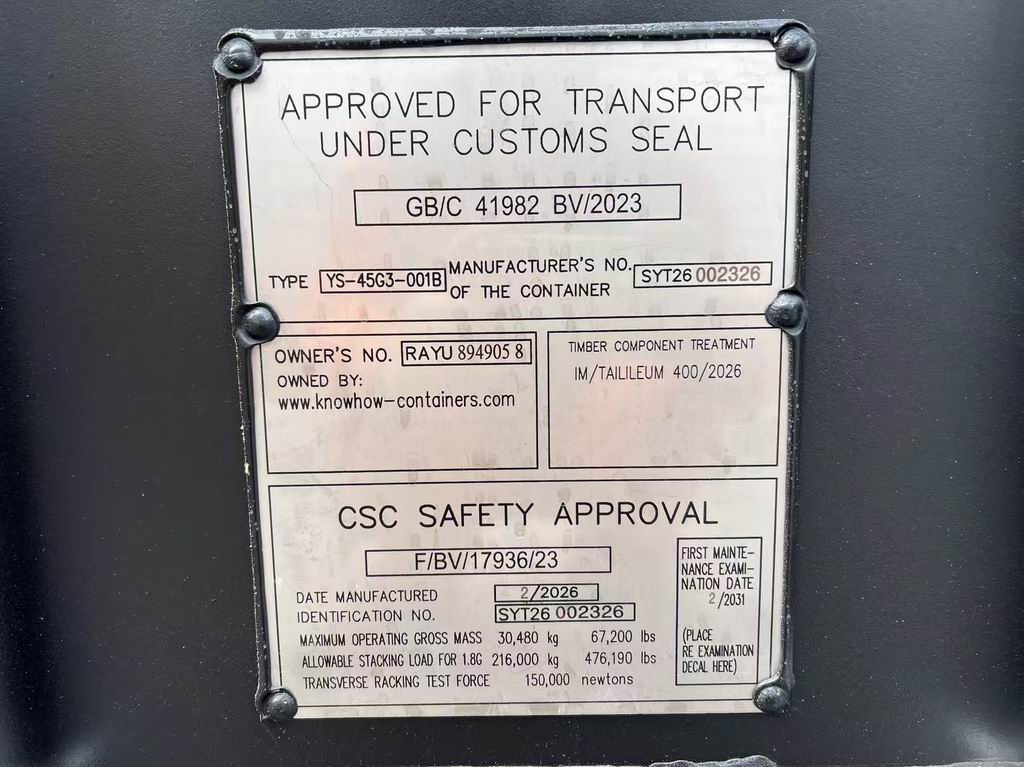
Een zeecontainer is meestal een standaard 10ft, 20ft of 40ft box voor nationaal en internationaal transport. Voor transport is een CSC-plaat nodig. Bij gebruikte containers is de CSC-keuring minimaal 12 maanden geldig; bij nieuwe containers geldt CSC vanaf de productiedatum meestal 5 jaar.
Een opslagcontainer heeft geen CSC-certificering en is bedoeld voor opslag of nationaal gebruik. Deze containers zijn vaak kleiner dan standaardmaten, of het zijn standaardmaten die niet meer geschikt zijn voor CSC-transport. Dat zegt niets over opslagkwaliteit: ze zijn juist praktisch als bouwplaatscontainer, schuurtje, kleine opslagruimte, machinekast of cabine voor maatwerk.
Waar moet ik op letten voordat een zeecontainer geleverd wordt?
Controleer vooraf of de loslocatie bereikbaar is voor het transport, of er genoeg ruimte is om te manoeuvreren en waar de deuren moeten openen. Let ook op ondergrond, obstakels, hoogtebeperkingen, draaicirkel en de afstand tussen de losplek en de definitieve plaats.
Bepaal daarnaast of je de container gebruikt voor opslag, transport of modificatie. Voor internationaal transport is CSC-certificering belangrijk. Voor opslag of maatwerk zijn staat, wind- en waterdichtheid, vloerconditie, deurwerking en praktische bereikbaarheid meestal belangrijker.
Filters
Filter and sort
Choosing a selection results in a full page refresh.