Add products from a product page to request a quote.
Search
Sea containers
Buy shipping container
Widest range in NL, View different sizes and designs, always directly available from stock
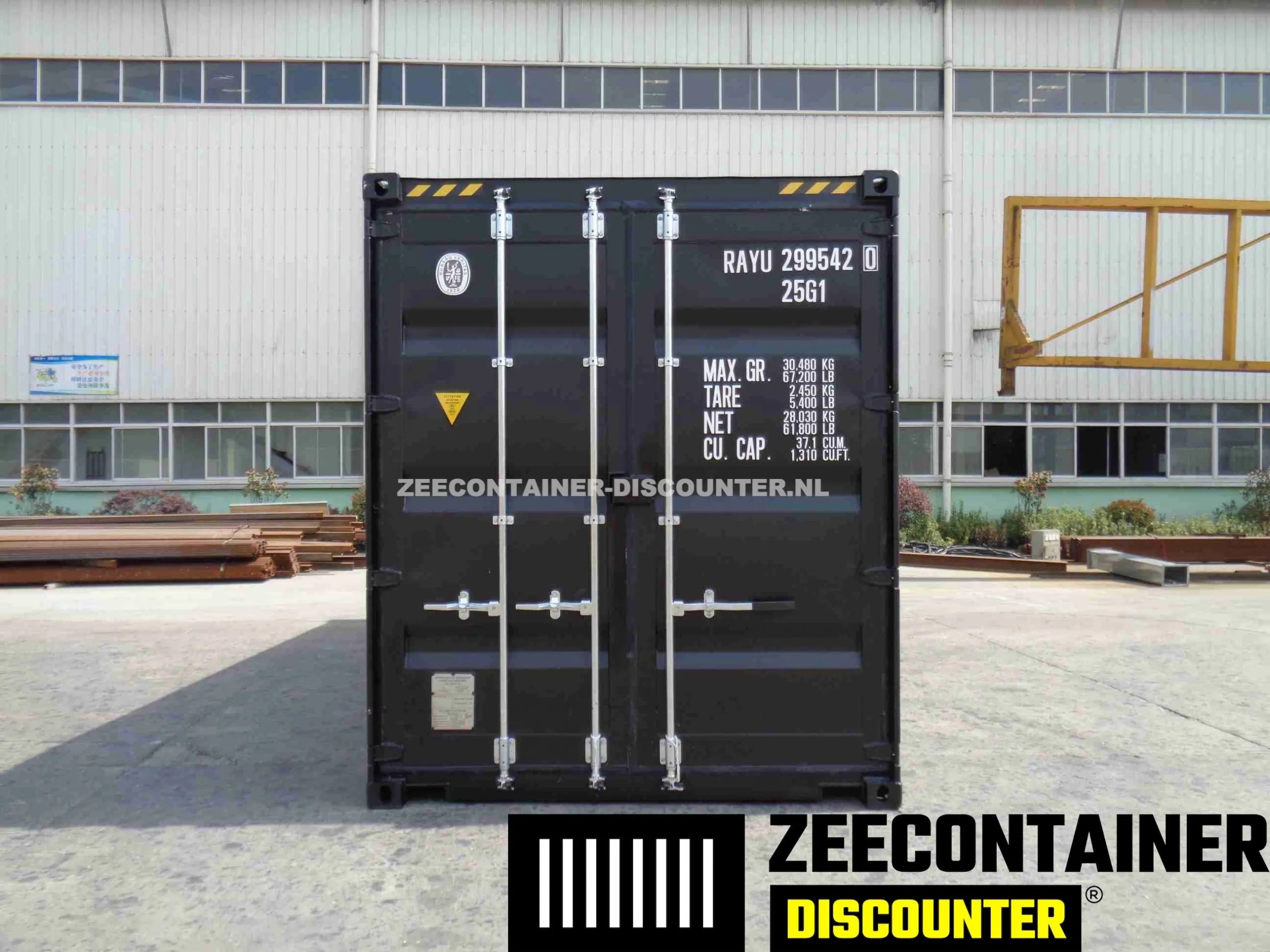
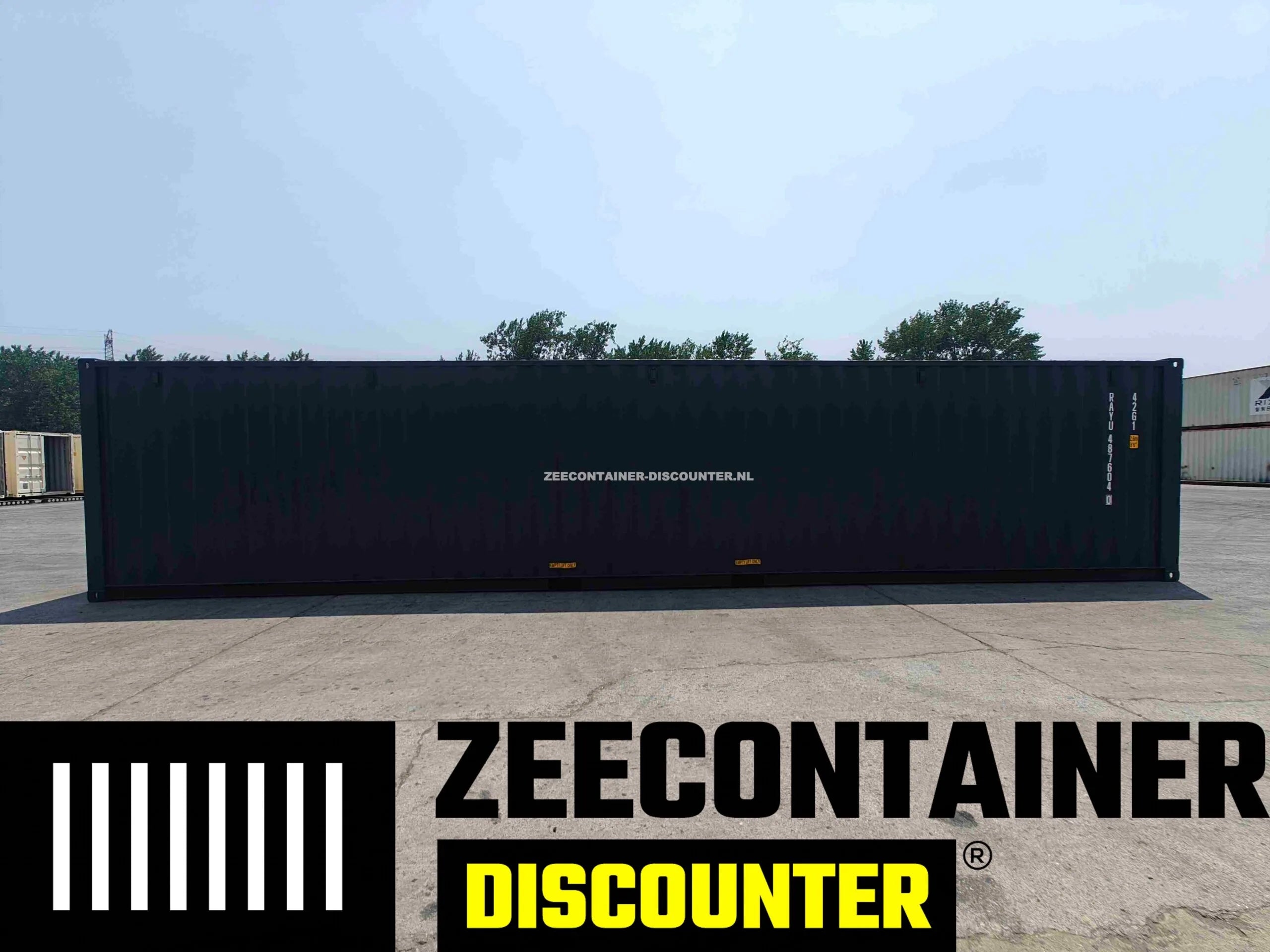
Looking to buy a sea container for storage, transport or project-based use? Compare current 10ft, 20ft, 40ft and high cube sea containers by price, size, condition, specifications and delivery on location.
Practical comparison by size, condition, version, and delivery location
You don't just buy a sea container based on the lowest price. The right choice depends on the size, condition, door configuration, certification, delivery location, and how intensively you will use the container. On this collection page, you can compare current sea containers for storage, transport, construction sites, business premises, and project-based use.
Don't just choose by size. Price, condition, design, certification, transport, and unloading location together determine which shipping container is the best fit in practice.
What size shipping container do you need?
The correct size mainly depends on volume, available space, accessibility, and how you want to load the container. A 10ft shipping container fits well in more compact locations and is useful when you need limited storage space. A 20ft shipping container is often the best balance between capacity, placement, and price.
A standard dry van shipping container is suitable for many storage and transport applications. If you need extra internal height for taller goods, machinery, shelving or conversions, a high cube shipping container is often a smarter choice.
The difference is not only in height, but also in practical use on site and ease of loading. Therefore, also check out high cube vs. standard shipping container if you are in doubt between these versions.
New or used: choose based on budget, appearance and lifespan
Buying a new sea container is interesting when appearance, long lifespan, and a neat finish are important. This is well-suited for high-visibility locations, business parks, and long-term use.
Buying a used sea container is often more economical and particularly strong when functionality is more important than appearance. For storage, construction site use, and temporary project use, used is often a logical choice.
Delivery and installation to be considered in advance
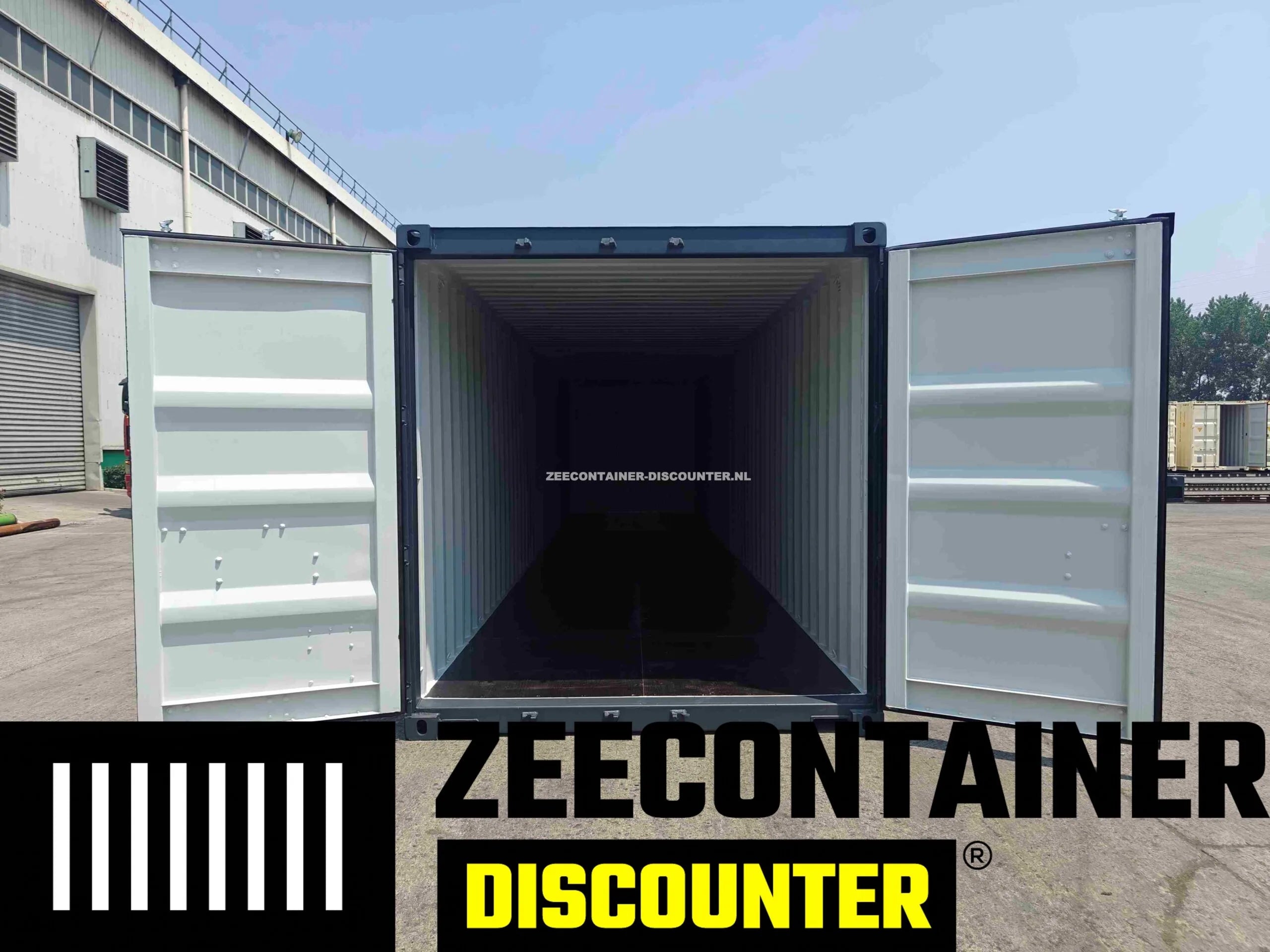
A shipping container must not only fit on paper, but also at the unloading site. Consider driving space, ground surface, obstacles, turning space, and the direction in which the doors need to open. For 40ft and high cube containers, this preparation is extra important due to their length and height.
Sea containers are purchased for storage, transport, construction sites, agricultural locations, temporary projects, and business premises. For dry storage, wind and watertightness, floor condition, and good sealing are important. For transport-oriented use, technical condition, ISO/CSC specifications, and certification also play a role. For daily loading and unloading, accessibility, door type, and the container's placement are often decisive.
What versions are there besides standard and high cube?
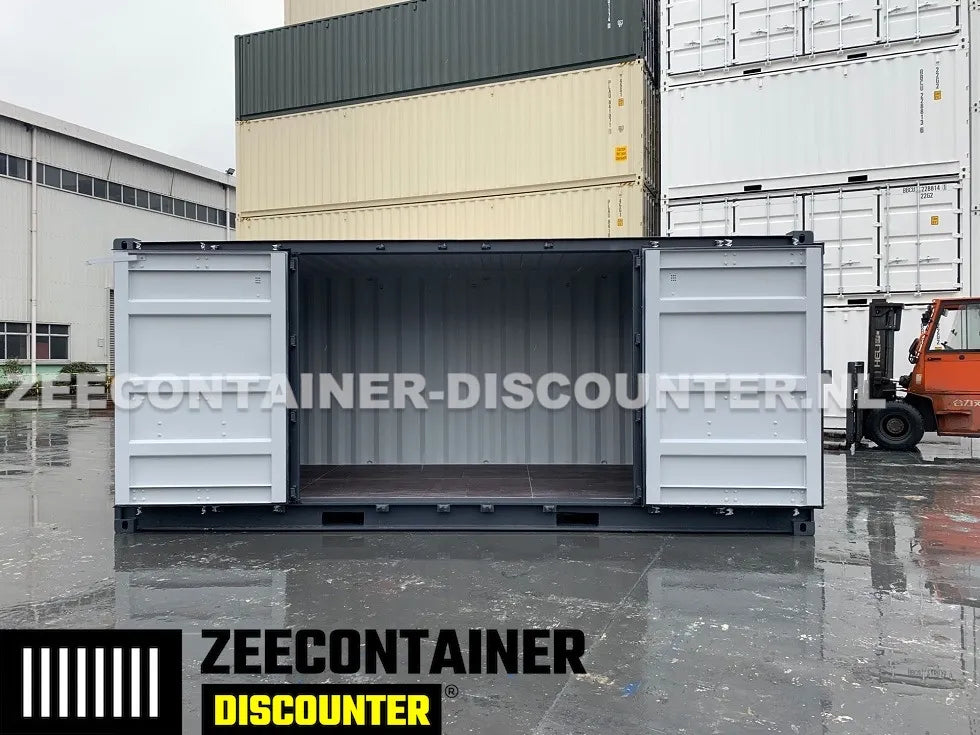
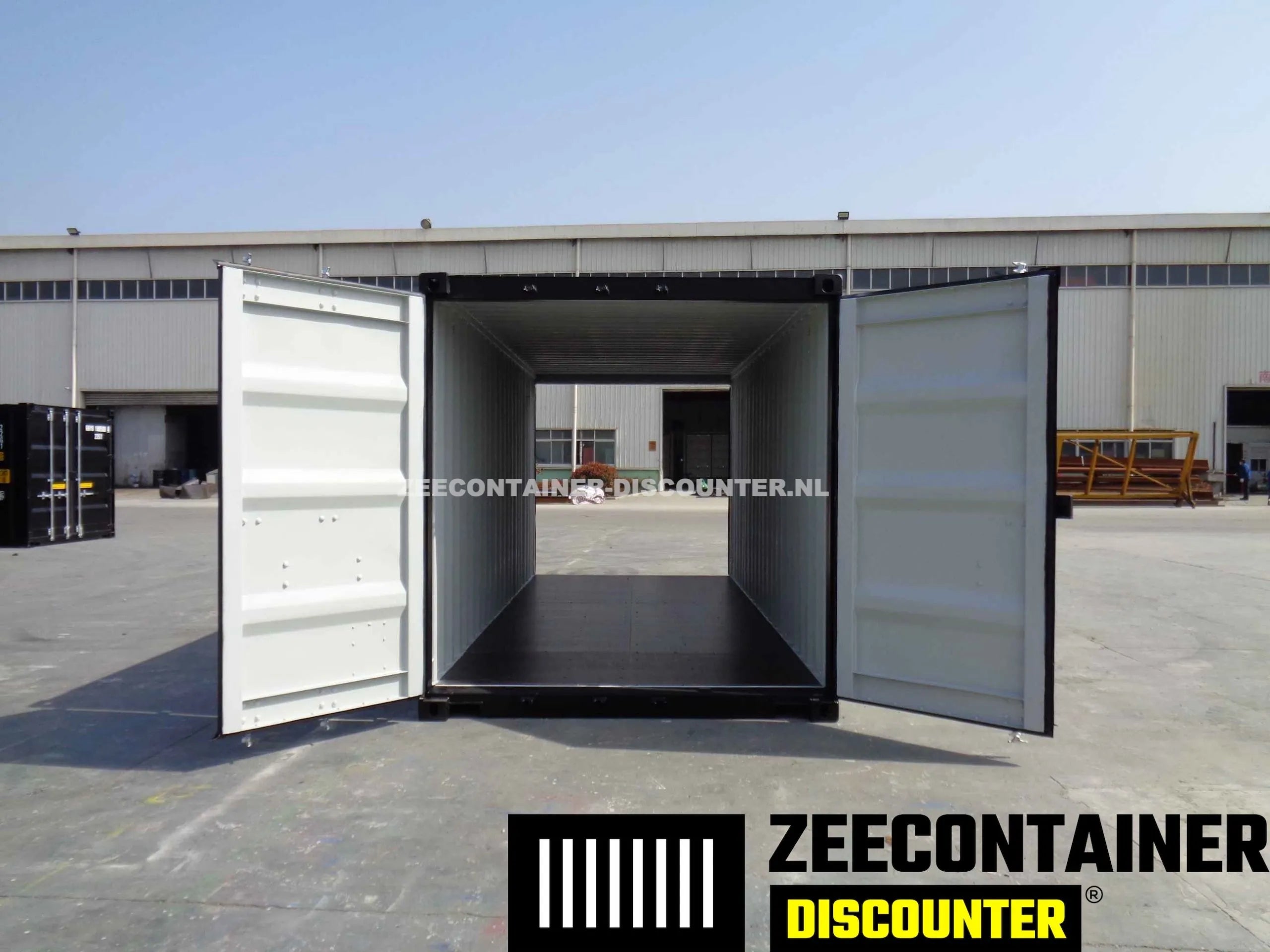
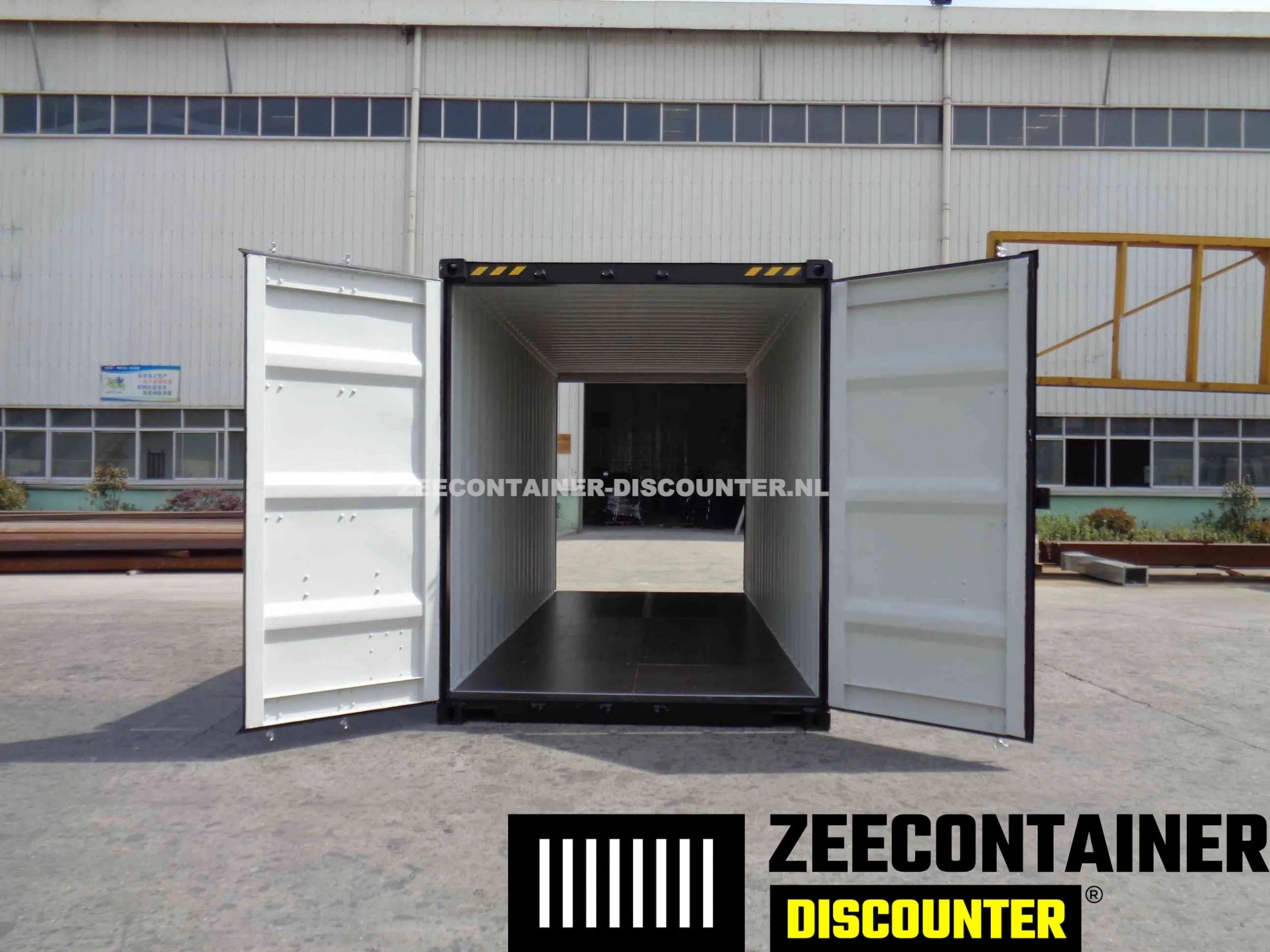
In addition to standard dry van and high cube, there are versions with extra doors, double doors, open-side access, or specific modifications. An open-side shipping container is useful if you need wide access from the side. For special projects, you can also look at special shipping containers or custom-built containers.
When is a sea container suitable for transport?
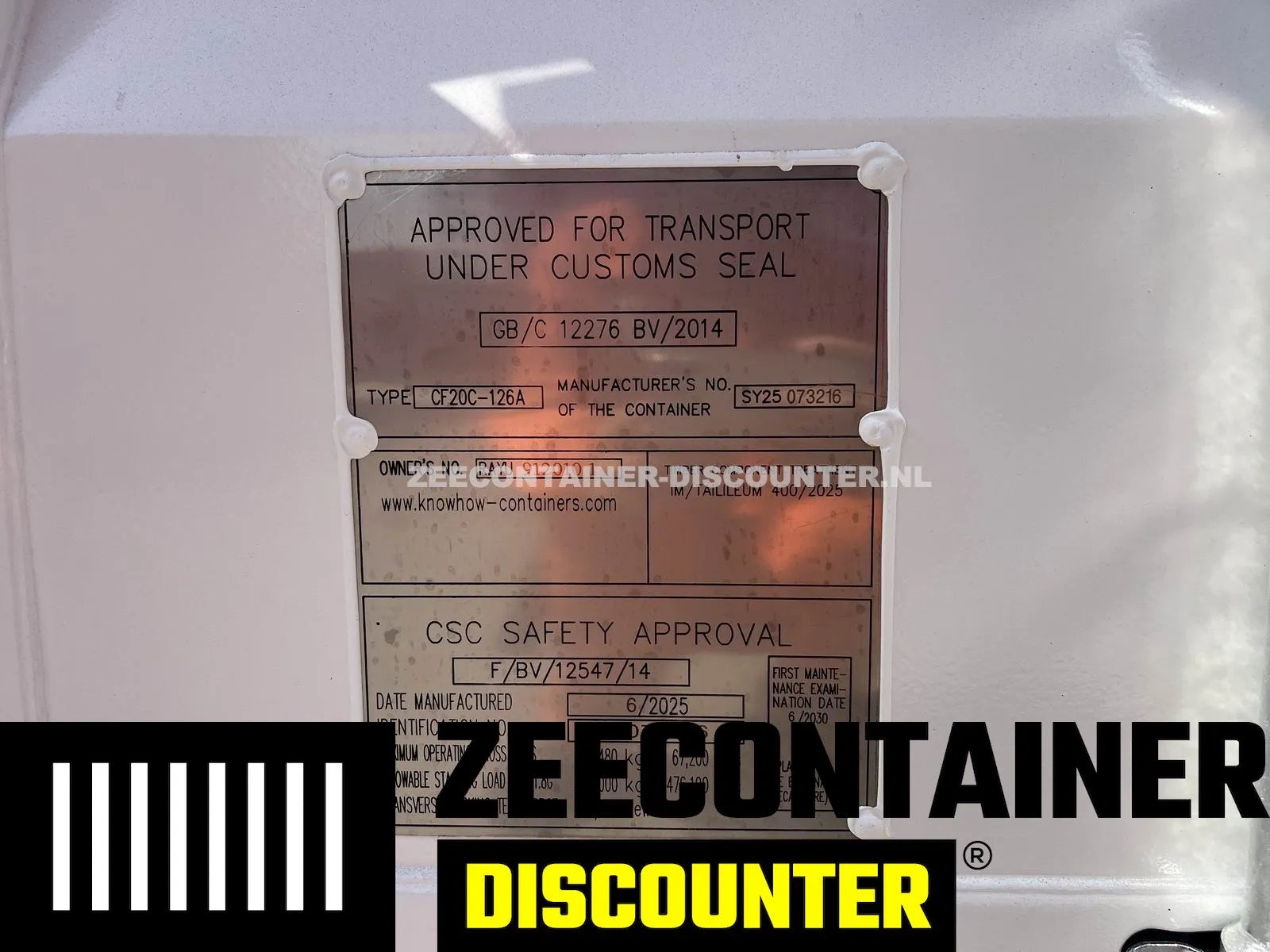
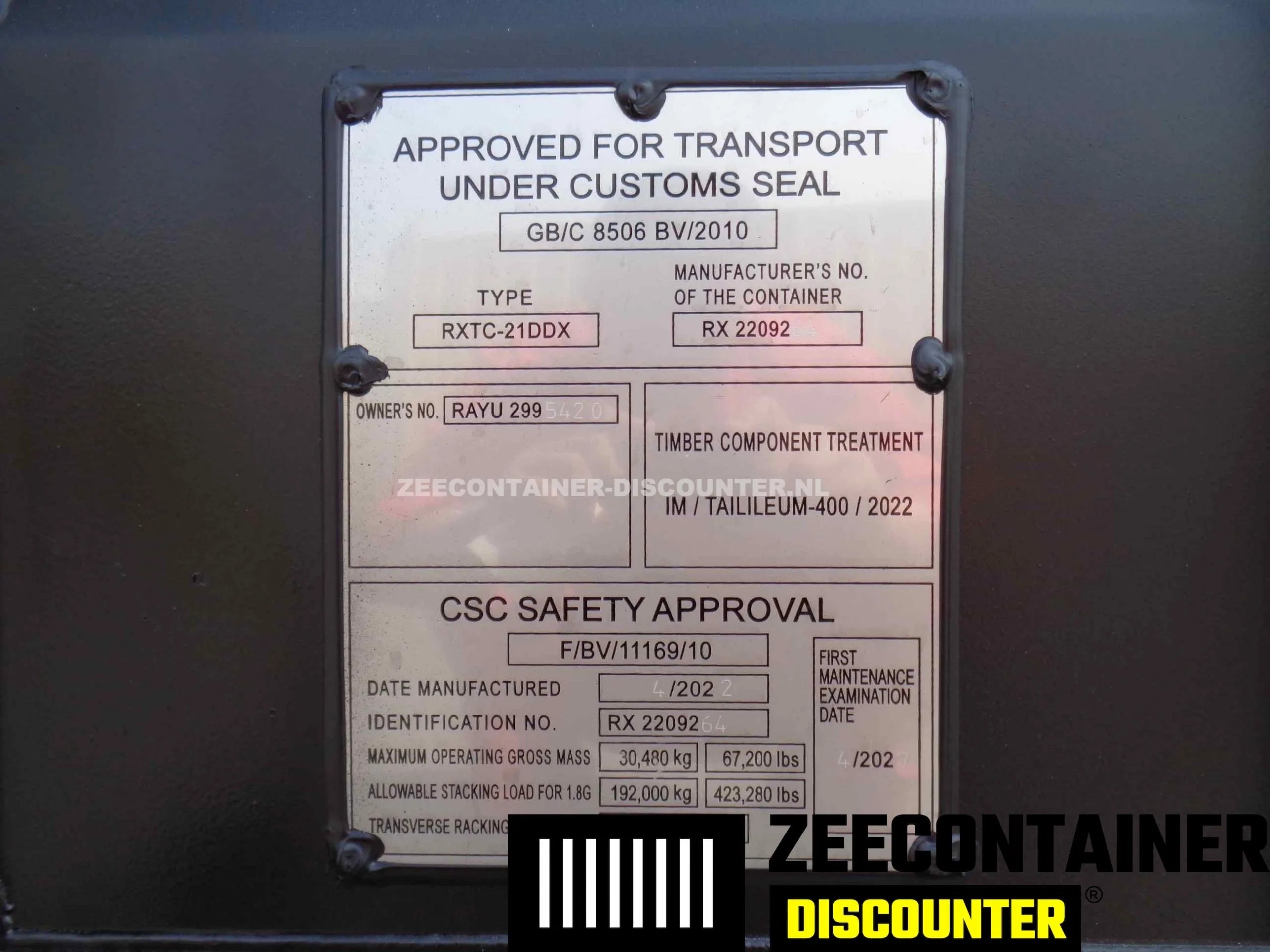
For transport, the technical condition is particularly important. Pay attention to the construction, doors, floor, and any CSC certification if the container will be used internationally. For storage only, transport suitability is less important, but wind and watertightness remain essential. If you are unsure about transport suitability, please mention your intended use in the quote request.
What customers say
Customers value our sea containers for clear communication, reliable quality, and practical on-site delivery. Read how businesses and individuals experienced their order, advice, and placement.
Frequently asked questions about buying sea containers
Practical answers for those looking to buy a shipping container and still comparing prices, sizes, condition, specifications, transport, and placement.
How much does a shipping container cost?
The price of a shipping container depends on size, design, condition, certification, and delivery. A 10ft container is usually cheaper than a 20ft or 40ft, while high cube, open side, and special designs are often more expensive than standard dry van. View the current offer on this page and include transport in your comparison using the shipping container transport rates. If you want a total price for your location, request a quote for a shipping container.
What are the most common sizes of shipping containers?
The most common sizes are 10ft, 20ft, and 40ft. 10ft is convenient for compact locations, 20ft is popular due to its combination of capacity and maneuverability, and 40ft offers a large storage volume. Additionally, there are high cube shipping containers with extra height and open side shipping containers with wide side access.
When do I choose 20ft instead of 40ft?
Choose 20ft if you are looking for a practical all-round container that is easier to place and often offers sufficient capacity for storage or transport. Choose 40ft when volume is more important and the location has enough space for approach, unloading, and placement. Compare the differences in more detail at 20ft vs 40ft shipping container.
When is a high cube smarter than a standard?
High cube is smarter when you need extra internal height, for example for taller goods, machinery, shelving or conversions. For normal storage, standard height is often sufficient and sometimes more cost-effective. If you are unsure between the two, check out high cube vs standard shipping container or directly compare high cube shipping containers for sale.
What is the difference between new and used?
A new shipping container has fewer signs of wear and is interesting when appearance, long service life and a neat finish are important. A used shipping container is usually more affordable and functionally strong for storage or project use. Compare buying new shipping containers and buying used shipping containers based on budget, visible location and expected service life.
Are shipping containers suitable for storage and transport?
Yes, sea containers are used for both storage and transport. For storage, wind and watertightness, floor, and locking mechanism are most important. For transport, the technical condition weighs more heavily, and CSC certification may be relevant, especially for international use. Therefore, always check whether the design suits your purpose: permanent storage, temporary storage, logistical use, or transport.
How does delivery and installation work?
Delivery is carried out with suitable transport equipment. For placement, the location must be accessible, and there must be enough space for maneuvering and unloading. Also, consider the ground, obstacles, and the desired door position. Read in advance how a shipping container is delivered and check the transport rates for shipping containers for cost insight.
How fast can you deliver?
Delivery time depends on stock, chosen model, location and transport planning. Containers that are available can often be delivered faster than special models or products that are yet to arrive. If you want to quickly know what is possible for your address and desired size, please contact us or request a quote for a shipping container with your delivery location.
Filters
Filter and sort
Choosing a selection results in a full page refresh.